Renting and selling
Gran Canaria: Maspalomas, Las Palmas or inland?
Three islands inside the same island. This is how I tell them apart when someone asks me where to look for a house.

Luca, in the Canaries since 2014
Updated on · 3 min read
In brief
On Gran Canaria the choice isn't between two neighbourhoods: it's between three ways of living. The south, with its dunes, means sun and homes with a pool; Las Palmas is a real city with a beach inside it; inland means mountains and villages. I always ask how you want to spend a Wednesday in November, not a Sunday in August.
In this guide 4 sections
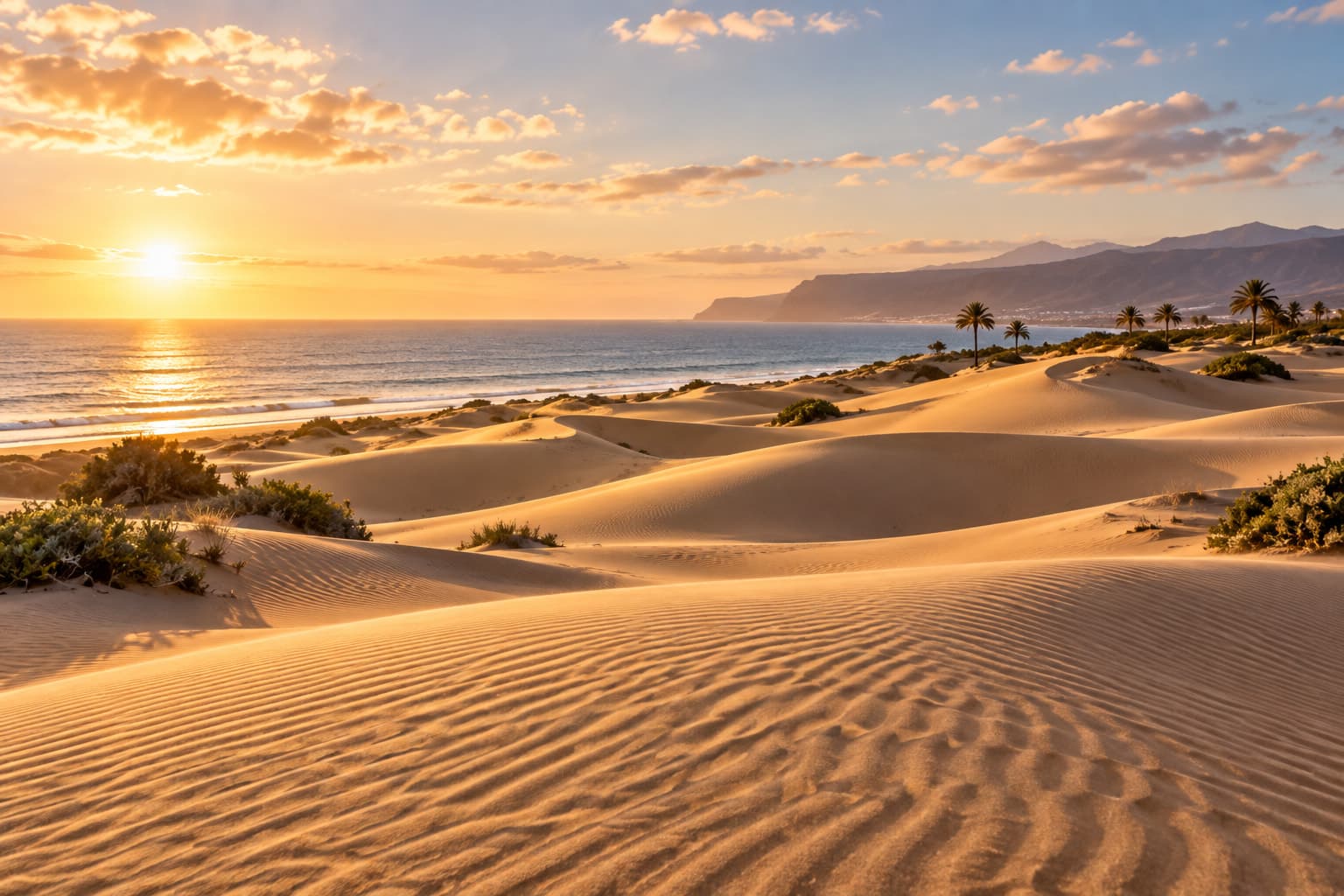
The south and its dunes
The stretch running from Maspalomas and Playa del Inglés down to Puerto Rico and Puerto de Mogán is the Gran Canaria that anyone on holiday already knows: sun almost every day, developments with a pool and garden, shops open all year round because tourism never really stops. It's convenient and predictable, and for anyone coming to spend their winters here, it works very well.
Here, before the view, I look at the rules of the comunidad, the owners' association, because plenty of these complexes mix homes people live in with apartments let to tourists, and at the shared costs, which are never small with a pool and gardens to keep up.
Las Palmas, the city
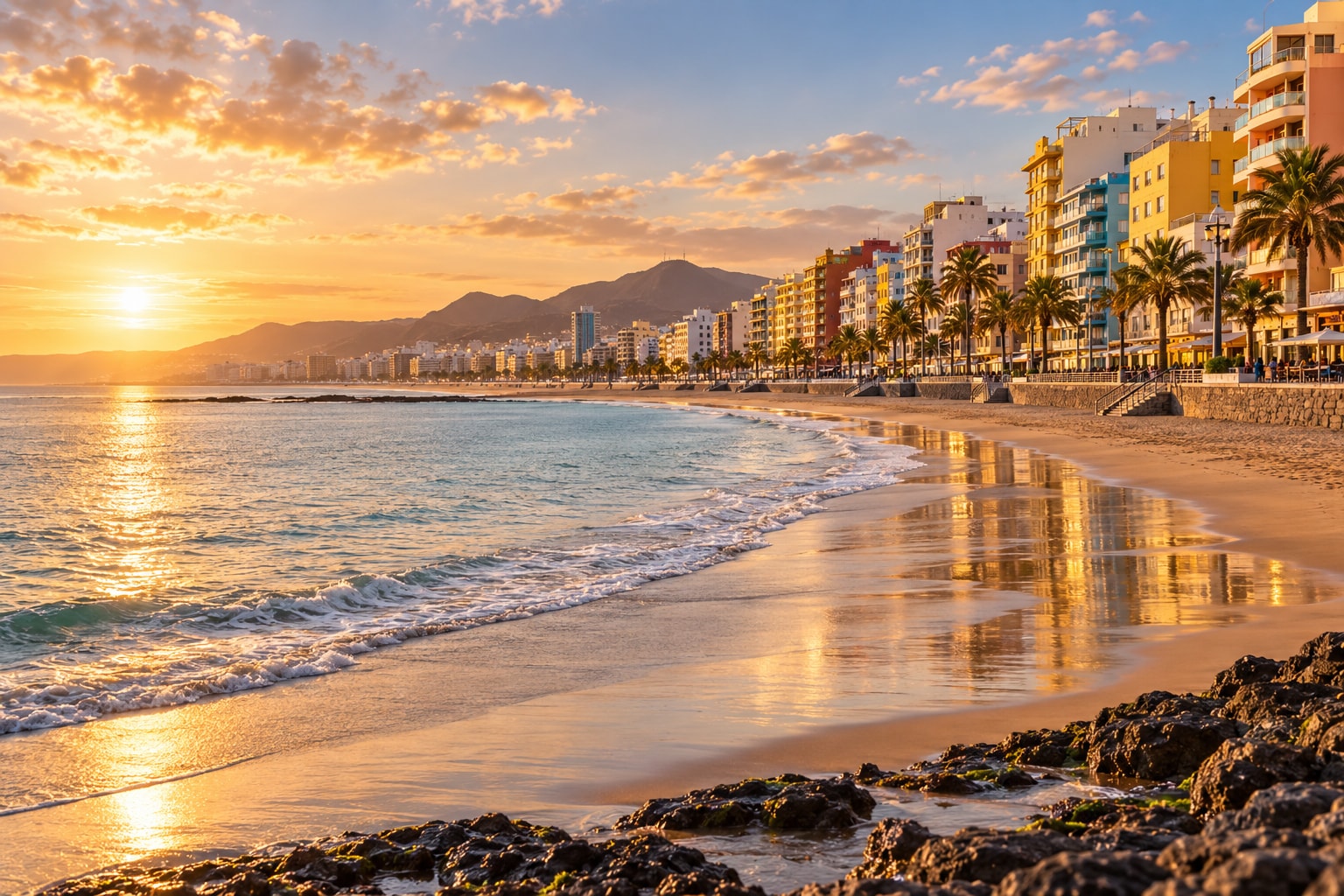
Las Palmas isn't a tourist spot with services built around it: it's a city, and you can tell from how people actually use Las Canteras, where locals go for a swim before work, not just on holiday. Anyone genuinely relocating, working remotely, sending children to school or wanting to live without a car does better here than anywhere else on the island.
And here you buy the way you buy in any city: the neighbourhood matters, the floor, the lift. Vegueta and Triana are the old town, around Las Canteras people want the sea within walking distance, and the upper neighbourhoods have views and fresh air, but also steep streets. The noise on some streets is the flaw you only spot on the second viewing: I make a point of going back in the evening.
Inland and the cumbre
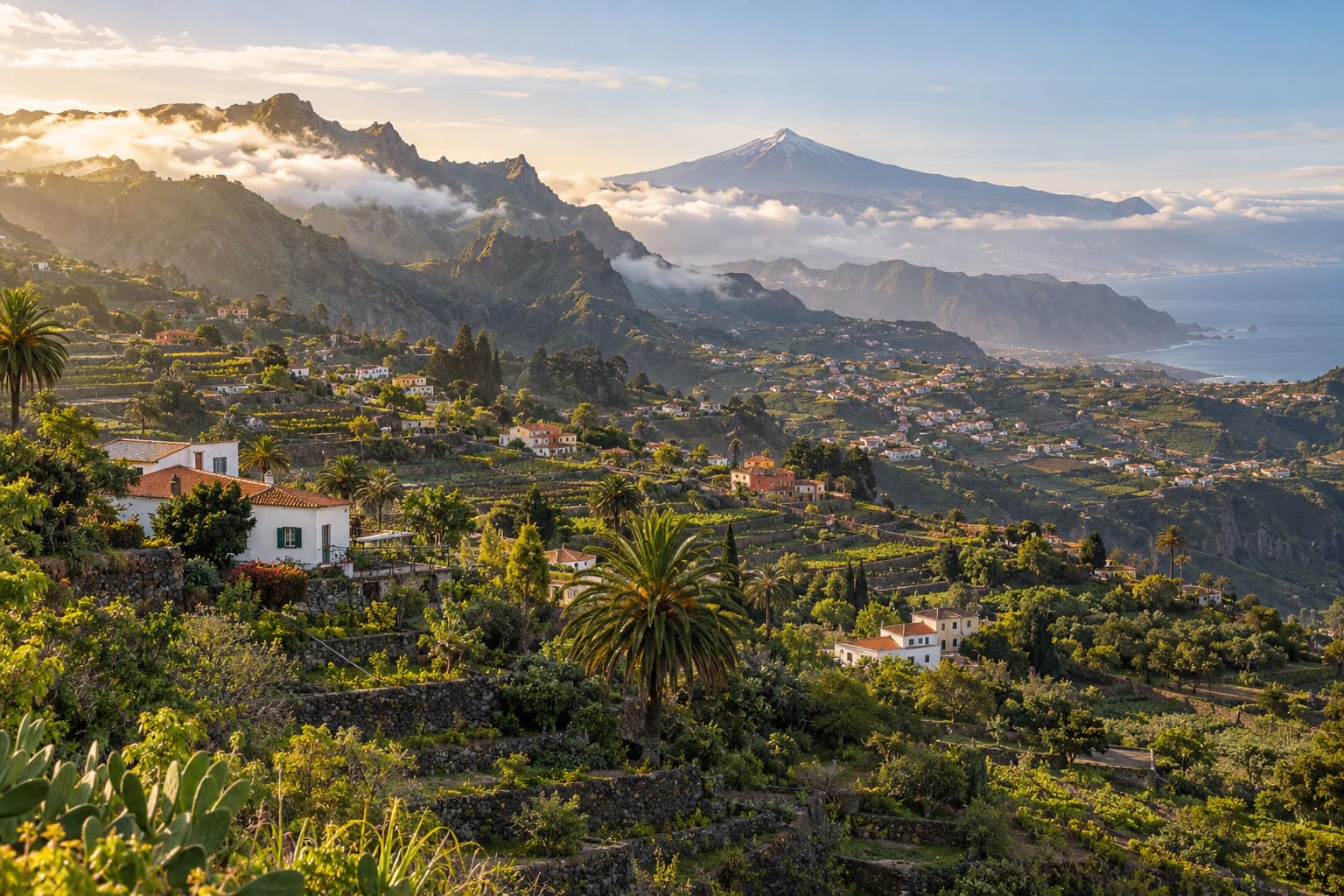
Then there's the Gran Canaria almost nobody looks for from abroad: Tejeda, San Mateo, Santa Brígida, Artenara, the villages of the cumbre, the island's high ground. Cool air, pine trees, terraced land, village houses with a cellar and the odd tree. UNESCO named the central and south-western part of the island a biosphere reserve in 2005, and driving through it you see why: within a few kilometres you go from coastal scrub to Canary pine forest.
It's a beautiful choice and a demanding one: a car is essential, winters are real, and properties need checking more carefully. What kind of land it is, what's actually registered, where the water comes from. I never recommend a village house without reading the nota simple first and asking the local council what's allowed on that land.
Who chooses what
- South, from Maspalomas to Mogán: for anyone coming for the winters who wants guaranteed sun and services without the hassle.
- Las Palmas: for anyone genuinely relocating, working or studying, or wanting to get around on foot all year round.
- Inland and the cumbre: for anyone after land and quiet, and willing to drive and do a few more checks before buying.
Listings for the island, ours and our partner agencies' on the ground, are all on the Gran Canaria page. Tell me which of these three ways of living feels like you, and I'll tell you where I'd start looking.
This is my own opinion, formed from living in the Canary Islands since 2014: it isn't a ranking of areas and it contains no market estimates. The island's figures, with their source, are on the Gran Canaria page.
Frequently asked questions
Is Gran Canaria or Tenerife better for buying a house?
It depends what you need: Gran Canaria has a large, complete city in Las Palmas, Tenerife has two airports and a much longer south coast. Anyone wanting year-round city life often does better here; anyone wanting sun and tourist services looks at both.
Can you live in Las Palmas without a car?
Yes, and it's one of the few places in the Canary Islands where I say that without hesitation: the city is compact, public transport works, and Las Canteras beach sits right inside the urban fabric. Outside the city, you need a car.
Can I let a property in the south of the island to tourists?
Only if that property can get a vivienda vacacional licence and the comunidad's rules don't forbid it. Those are the two checks I make before any offer when letting to tourists is the stated goal.
Sources
- Wikidata — Gran Canaria (Q178925) (opens in a new tab) accessed on
- UNESCO, programma Man and the Biosphere — Gran Canaria Biosphere Reserve (designazione 2005) (opens in a new tab) accessed on
Tax and legal information here is general guidance, not advice: for your own situation, consult a qualified professional.
Read next
Images marked AI are generated with artificial intelligence.