Renting and selling
Tenerife north or south: where to buy a house
Two sides of the island, two climates, two different lives. This is how I tell them apart when I take someone house-hunting here.

Luca, in the Canaries since 2014
Updated on · 6 min read
In brief
The south of Tenerife is dry, sunny and built around tourism; the north is cooler, greener and more urban. There's no better side: there's the right one for how you want to live. I always start with three questions, how much sun you need, what kind of life you want in winter, and how much the airport matters, and the house comes after that.
In this guide 5 sections
The climate changes with the side of the island
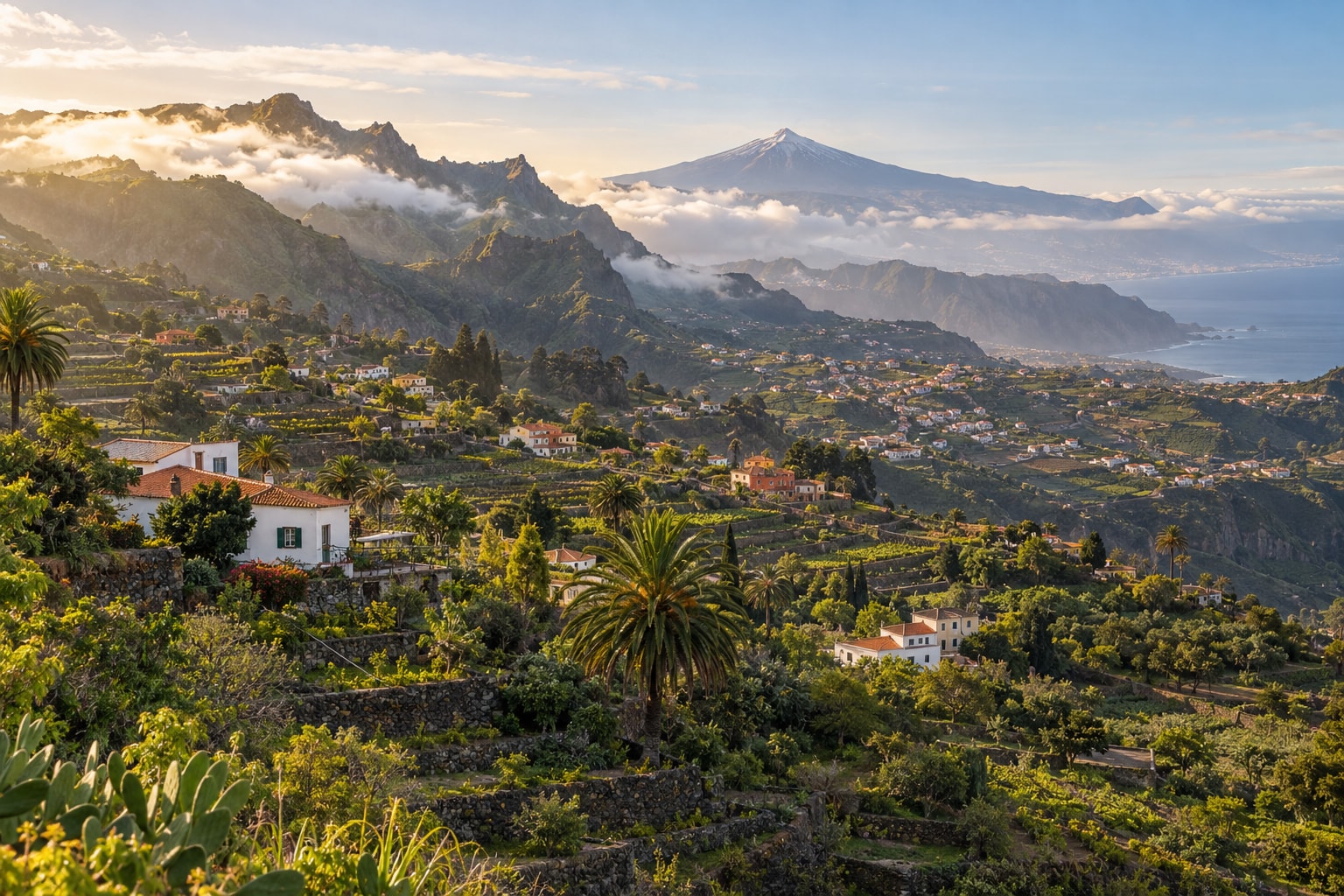
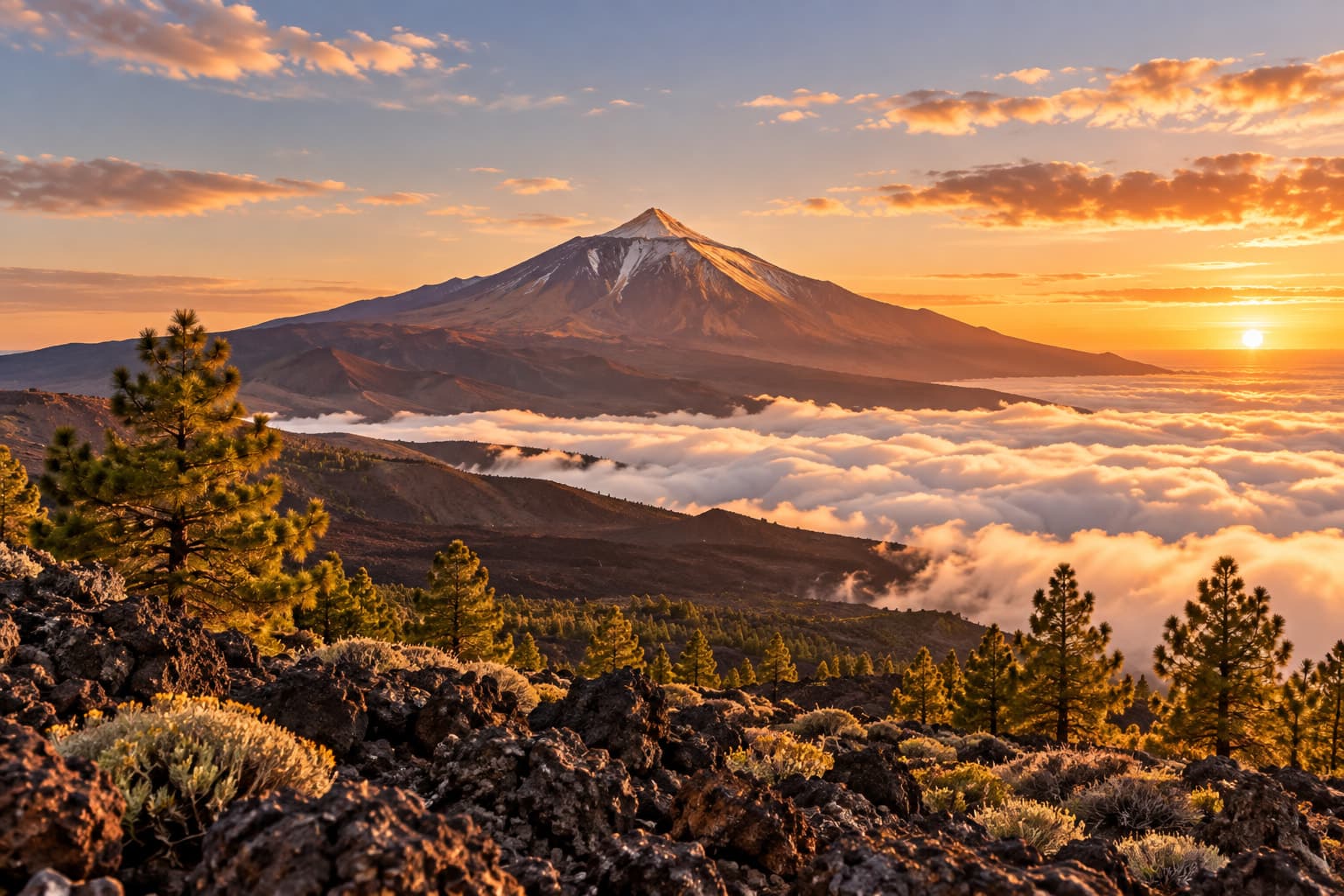
Tenerife has a mountain in the middle, and that mountain stops the damp air coming in from the north-east. I see the result every time I drive across the island: I set off in the sun on the south coast, drive into cloud climbing towards the plateau, and come out the other side needing a jacket. It's not a tourist-guide impression: these are two climates, and they can be measured.
- At the Tenerife South airport station, in the municipality of Granadilla de Abona, AEMET's climate normals give an average annual temperature of 21.4°C and 132 millimetres of rain across the whole year (the table doesn't give an annual total for hours of sunshine).
- At the Tenerife North airport station, above La Laguna, the annual average is 16.8°C and rainfall reaches 520 millimetres: almost four times that of the south.
- In Santa Cruz, on the coast, the annual average is 21.5°C with 226 millimetres of rain and 2,913 hours of sunshine: the capital sits on the north-eastern side, but it's sheltered, and in winter it feels more like the south than like La Laguna.
A warning I always give, because otherwise these figures are misleading: the northern station isn't on the coast, it's up on the plateau, and part of the temperature difference is altitude, not which side of the island you're on. In Puerto de la Cruz, which is north but on the coast, you can be in short sleeves in the sun in January. What the figures do tell you well is the water: it rains in the north, almost never in the south, and everything else follows from that.
The south: near-guaranteed sun, services in every language
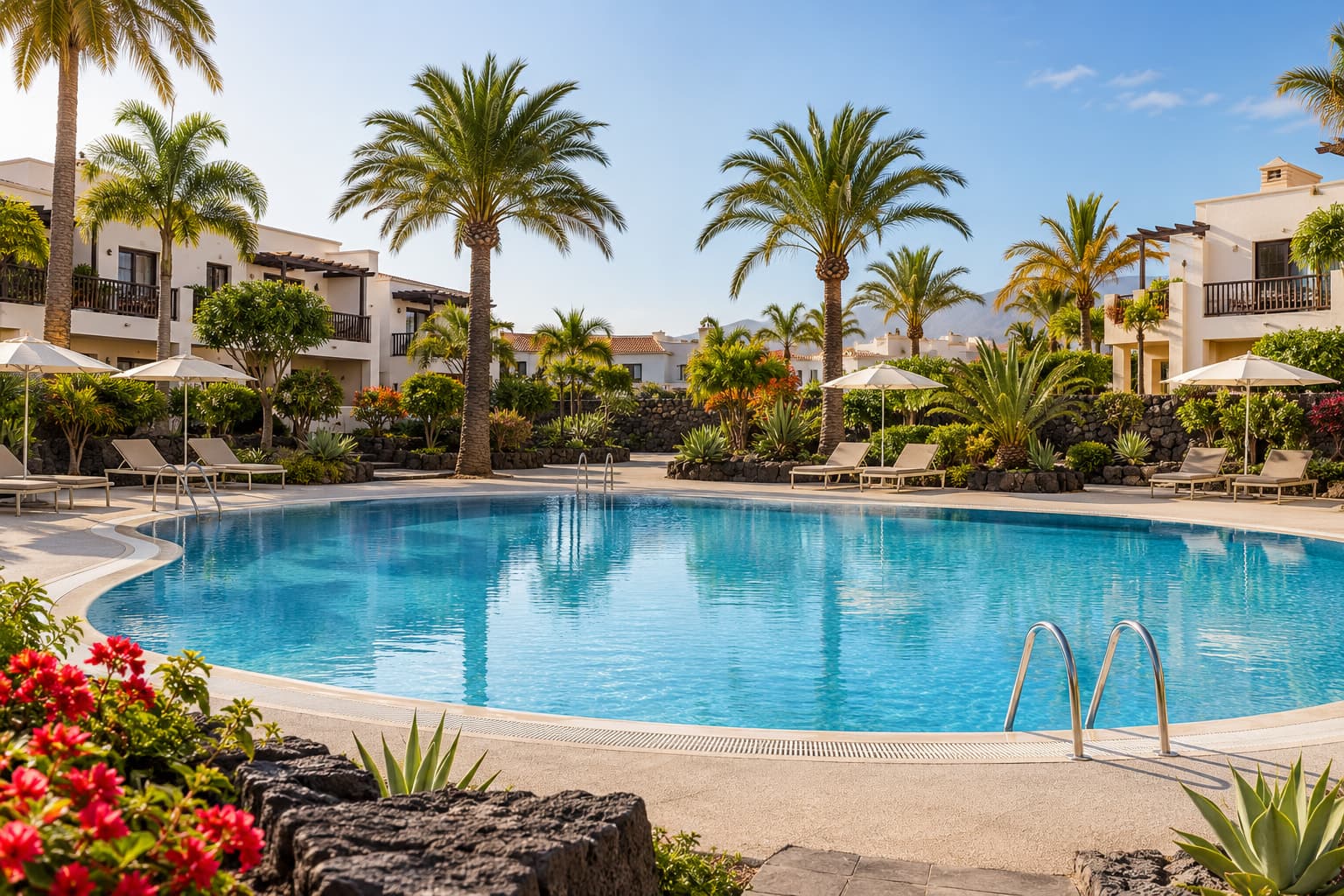
When someone writes to me from abroad in January, nine times out of ten they're looking at the south. It's understandable: it's the stretch where sun is a given, where you find the complexes with pools, doctors who speak several languages, international schools and the ports the ferries to La Gomera leave from.
- Costa Adeje and the wider Adeje area: the most polished, developments with a concierge and pool, a seafront promenade, services all year round.
- Arona, with Los Cristianos and Playa de las Américas: more lived-in and more mixed. Los Cristianos is where I've seen the most people get on well without a car.
- Granadilla de Abona and El Médano: the windy one. Water-sports enthusiasts go there on purpose; people who want to read under a sunshade, less so.
- San Miguel de Abona, with Golf del Sur and Amarilla Golf: residential and tidy, close to the south airport.
- Guía de Isora and Santiago del Teide, with Playa San Juan, Alcalá and Los Gigantes: the west coast, quieter, villages that are still villages.
I have one warning about the south: here, the difference between two apartments in the same neighbourhood comes down to orientation. That's why I go and view a property at two different times of day before I recommend it.
The north: real towns, gardens, Canarian life
The north is the part of the island people live in all year round. La Laguna has the university, the old town and an evening life that doesn't exist in the south; Puerto de la Cruz has the seafront, the gardens and a European community that has spent its winters there for decades; La Orotava, Santa Úrsula, El Sauzal and Tacoronte are hillside villages with houses that have land around them, something almost impossible to find on the south coast.
In the north, though, you buy with different eyes. The damp is real: I always ask to open the built-in wardrobes, because mould on north-facing walls is the fault I come across most often. I ask whether there's any heating at all, because many Canarian houses have none. And I look at where the winter sun falls: a beautiful terrace that stays in shade from November to March is a terrace you won't use.
- La Laguna: a university town, services and hospitals, period apartments in the centre and newer neighbourhoods around it.
- Puerto de la Cruz and the Valle de La Orotava: the sea, gardens, views of Teide and a sense of neighbourhood that's hard to build in the south.
- Santa Úrsula, El Sauzal, Tacoronte: the medianías (the mid-slope belt), land and vines, with cloud passing overhead almost every day.
- Icod de los Vinos, Garachico, Buenavista del Norte: the slower side of the island, with fewer services.
The areas in between, which almost no one looks at
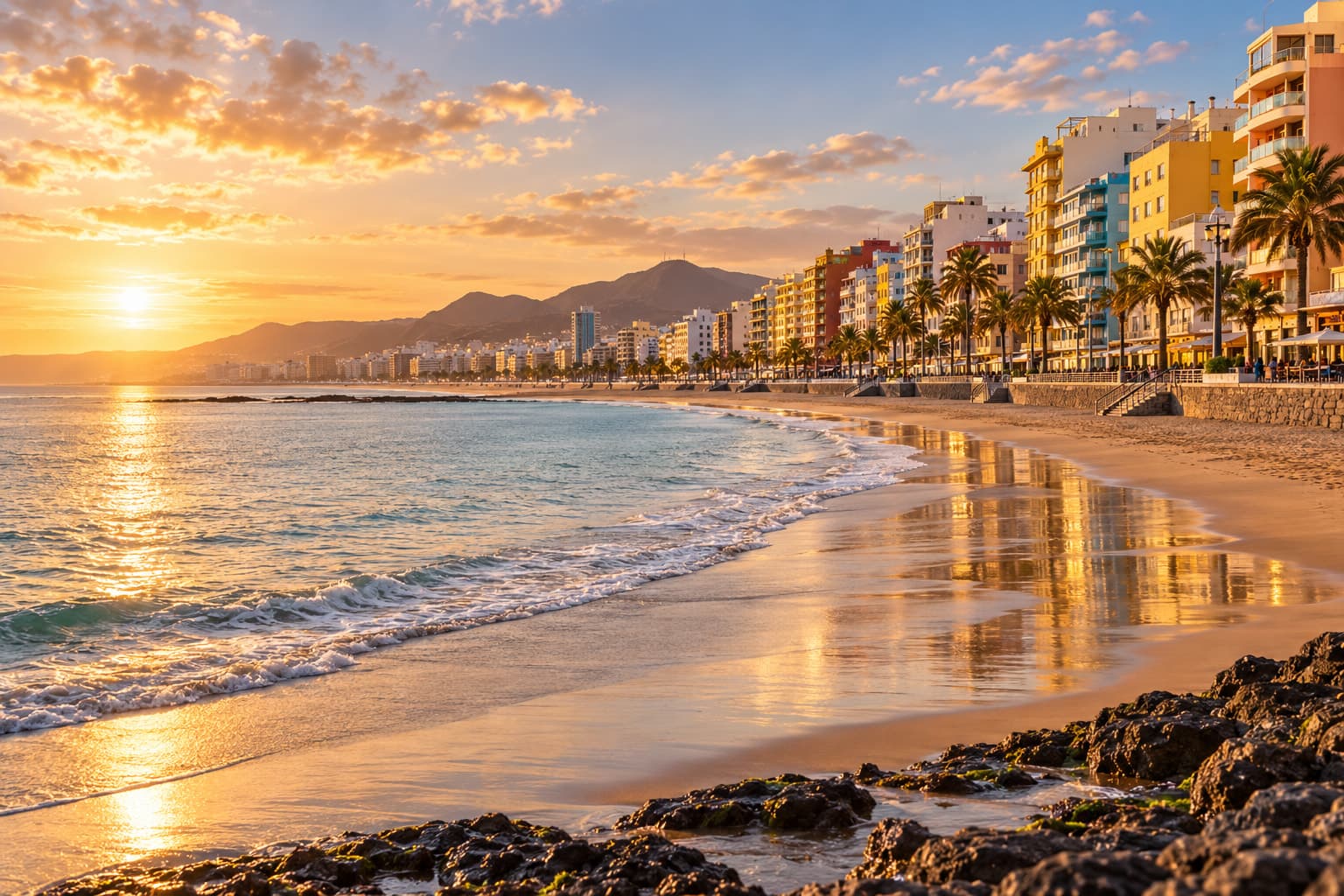
Between the two sides there's a stretch that buyers from abroad almost always skip, and that I like to show people. Santa Cruz is a city with a port, shops and a theatre. The east coast, from Candelaria to Güímar and Arafo, gets almost as much sun as the south, has Canarian villages and the motorway on your doorstep: it's where I take people who want to be among Spaniards rather than tourists.
Then there are the medianías, the mid-slope villages on both sides of the island: fresh air, land, quiet, and a car that isn't optional. If what you have in mind is a house with a patch of land and some trees, that's where you'll find it, not on the coast. If you need to be able to walk to buy bread, it isn't your area.
Listings for the island, ours and our partner agencies' on the ground, are gathered on the Tenerife page. When you write to me, I'll tell you first which of these areas I think fits what you're looking for, and then we'll look at properties.
Who I'd recommend what to
- Coming for the winters South or the west coast. You need reliable sun in the months you're here, and services that stay open. Here I look first at the orientation and the comunidad fees: you pay for a house that's shut for eight months either way.
- Moving here to work It depends on the job. Tourism and services sit in the south; healthcare, the university, administration and remote work on a European time zone fit better between the north and Santa Cruz, with bigger houses for the same budget.
- Retiring to the Canaries I look at the distance to your nearest hospital and the slope of your street before I look at the view. Los Cristianos, Puerto de la Cruz and Santa Cruz are the three places where I've seen life without a car work best.
- You want land, trees, quiet The north and the medianías. Here the property needs proper checking, though: the land, the water, and what's actually on record. Before any offer on a finca I read the nota simple and ask the council for the planning certificate.
- Buying to let to tourists The licence comes before the area: not every house can be let for tourist use, and the comunidad's rules can forbid it. It's the first thing I check, and I cover it in the guide to holiday rentals.
The climate figures come from AEMET's official tables; everything else is how I see it, and it isn't a ranking of areas. It's here to help you ask the right questions before you book any viewings.
Frequently asked questions
Does it really rain all the time in north Tenerife?
It rains a lot more than in the south: AEMET's climate normals give 520 millimetres a year at the station above La Laguna, against 132 at the south airport. But "rains all the time" is a different claim: the north has long spells of sunshine, and it's often low cloud, not rain, that makes the difference.
Is the south too hot in summer?
Less than people arriving from abroad tend to fear. The annual average at the south airport station is 21.4°C, and the ocean keeps the peaks in check; the difficult days come with the calima, the wind that brings air and dust from the desert, and they last a few days at a time.
Do I need a car if I buy in Tenerife?
In the centres of Los Cristianos, Puerto de la Cruz, La Laguna and Santa Cruz you can live well without one. Up in the hills, in the medianías and in many coastal developments, a car isn't a comfort: it's a condition of living there.
Which side of the island is easier to resell?
I won't give you a ranking, that would be an opinion dressed up as a fact. What I've seen is that what resells well has a clear, checkable quality: orientation, the view, a lift, parking, paperwork in order. That holds on both sides of the island.
Sources
- AEMET — Valores climatológicos normales, Tenerife Sur Aeropuerto (C429I), periodo 1981-2010 (opens in a new tab) accessed on
- AEMET — Valores climatológicos normales, Tenerife Norte Aeropuerto (C447A), periodo 1981-2010 (opens in a new tab) accessed on
- AEMET — Valores climatológicos normales, Santa Cruz de Tenerife (C449C), periodo 1981-2010 (opens in a new tab) accessed on
- Wikidata — Tenerife (Q40846) (opens in a new tab) accessed on
Tax and legal information here is general guidance, not advice: for your own situation, consult a qualified professional.
Read next
Images marked AI are generated with artificial intelligence.