Advice
How much it costs to run a home in the Canary Islands
IBI, the comunidad and utilities: the three costs that tell you whether a home is affordable to keep, and the papers I use to measure them.

Luca, in the Canaries since 2014
Updated on · 3 min read
In brief
A home in the Canary Islands has three fixed costs: IBI, the annual local tax worked out on the cadastral value; the comunidad fee, if the home is part of an owners' association; and utilities, including the rubbish charge. Before letting a client make an offer, I get every one of these figures in writing, because they vary enormously from home to home.
In this guide 4 sections
IBI: what it is and who pays it
IBI, the Impuesto sobre Bienes Inmuebles, is the local property tax every owner pays once a year. Spain's local finance law, the Ley Reguladora de las Haciendas Locales, defines it as a direct tax on the property itself, levied on the value of real estate: the tax base is the cadastral value (valor catastral), not the price paid. It's owed by whoever holds the right on the first day of the tax period, which coincides with the calendar year.
- The rate is set by the council within a band fixed by national law: for urban properties, the minimum is 0.4% and the maximum 1.10% of the cadastral value.
- Assessment and collection are entirely up to the council: amounts and deadlines have to be checked with the town hall.
- The property stays liable for IBI even after ownership changes hands: that's why the law requires the notary to check for outstanding debts and warn the buyer.
The comunidad fee
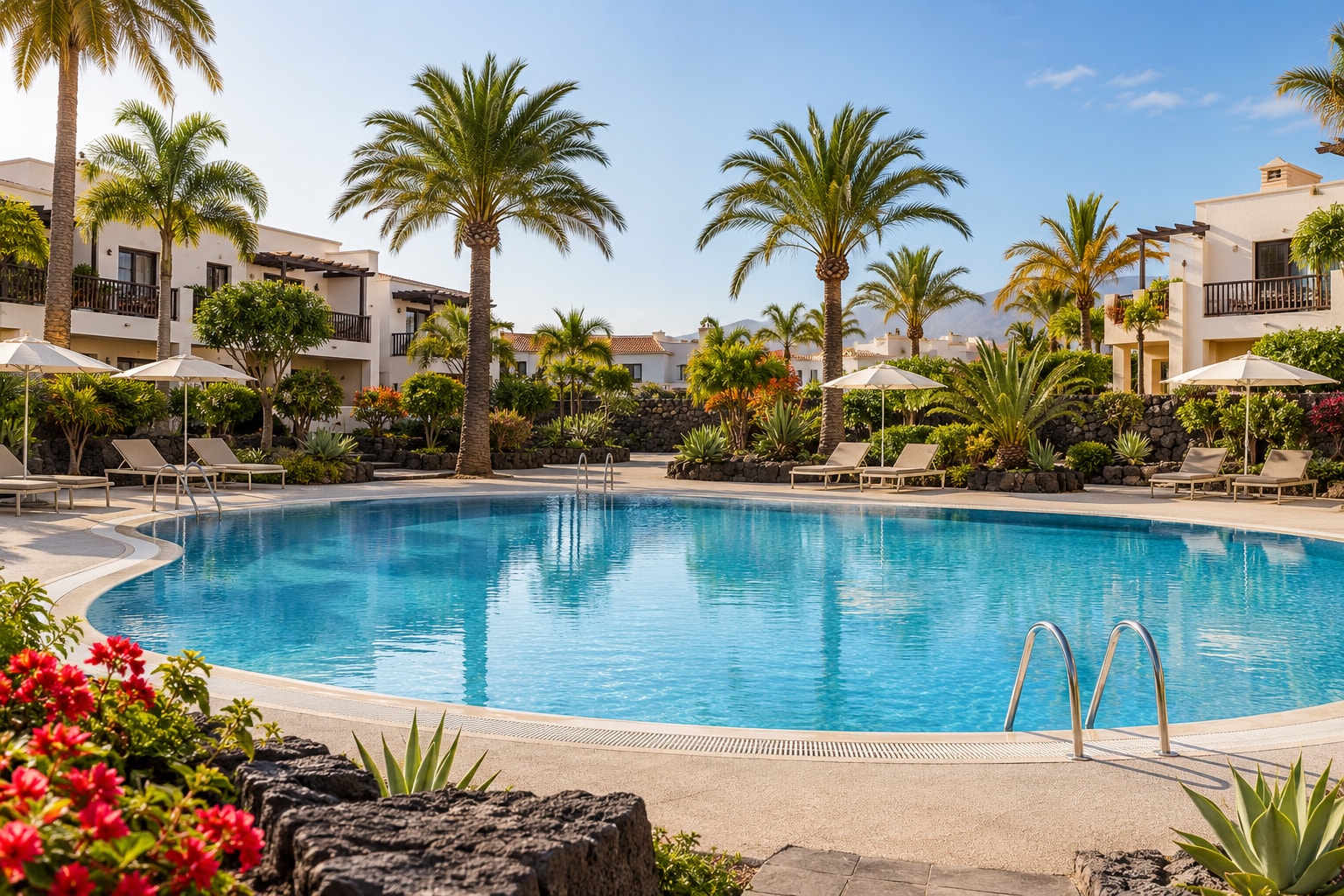
If the home is in a building or a complex with a pool and garden, there's a comunidad de propietarios (owners' association) and there's a fee: the association's annual budget, split according to the owners' participation shares and approved at a general meeting. How much it comes to depends on what there is to maintain: a development with two pools and a caretaker is a different matter from a block of six apartments.
On top of the ordinary fee there's the fondo de reserva (reserve fund), which by law can't be less than 10% of the last ordinary budget, and there can be derramas (special levies) added for works. I always ask for the minutes of the last general meetings: any approved but unpaid derramas show up there.
Water, electricity and rubbish
Water and electricity are put in the owner's name and billed by consumption. Rubbish collection isn't: it's a local charge, and the national waste law has required councils to set a specific, separate charge that may not run at a loss and reflects the real cost of the service. Plenty of councils have revised it recently: ask for the latest bill issued, not an average.
How I get the real costs before an offer
- The IBI receipt The latest one paid: it shows the cadastral value, the rate applied by the council, and the referencia catastral (the cadastral reference), which the notary needs too.
- The comunidad certificate The administrator certifies the fee and any debts. It's a legal requirement at completion; I ask for it much earlier, along with the minutes of the last meetings.
- The latest bills Water, electricity and the latest rubbish bill. A home left closed up uses very little: read those figures thinking about how you'll actually use it.
- The total over twelve months I put it all in a single line, per year. It's the figure that decides whether a home is affordable to keep, and almost nobody works it out.
This is a general explanation, not tax advice: rates, exemptions and reliefs vary from council to council and from year to year. For your own case, get advice from a suitably qualified professional.
Frequently asked questions
Who pays IBI in the year a home is sold?
The tax falls due on the first day of the calendar year and is owed by whoever held the title at that point, that is, the seller. The law does, however, let the taxpayer pass the charge on under ordinary civil law: in practice, the escritura, the deed of sale, states who reimburses which part of the year.
Can I find out the comunidad fee before buying?
Yes, and you should ask for it in writing. The administrator issues a certificate showing the state of any debts, and the minutes of the meetings show whether there are approved works and derramas coming for the next owner.
Is IBI still due if the home stays empty?
Yes, because the tax falls on holding the right to the property, not on how it's used. The law even lets councils add a surcharge on urban homes left empty without good reason for more than two years, if the owner holds four or more residential properties.
Sources
- Real Decreto Legislativo 2/2004, Ley Reguladora de las Haciendas Locales, testo consolidato (BOE) - artt. 60-65, 72, 75, 77 (opens in a new tab) accessed on
- Ley 49/1960 de Propiedad Horizontal, testo consolidato (BOE) - art. 9.1.e ed f (opens in a new tab) accessed on
- Ley 7/2022 de residuos y suelos contaminados, testo consolidato (BOE) - art. 11 (opens in a new tab) accessed on
Tax and legal information here is general guidance, not advice: for your own situation, consult a qualified professional.
Read next


Images marked AI are generated with artificial intelligence.